Real McArthur Paw Paw Products

Paw Paw vs Papaya: What’s the Difference?
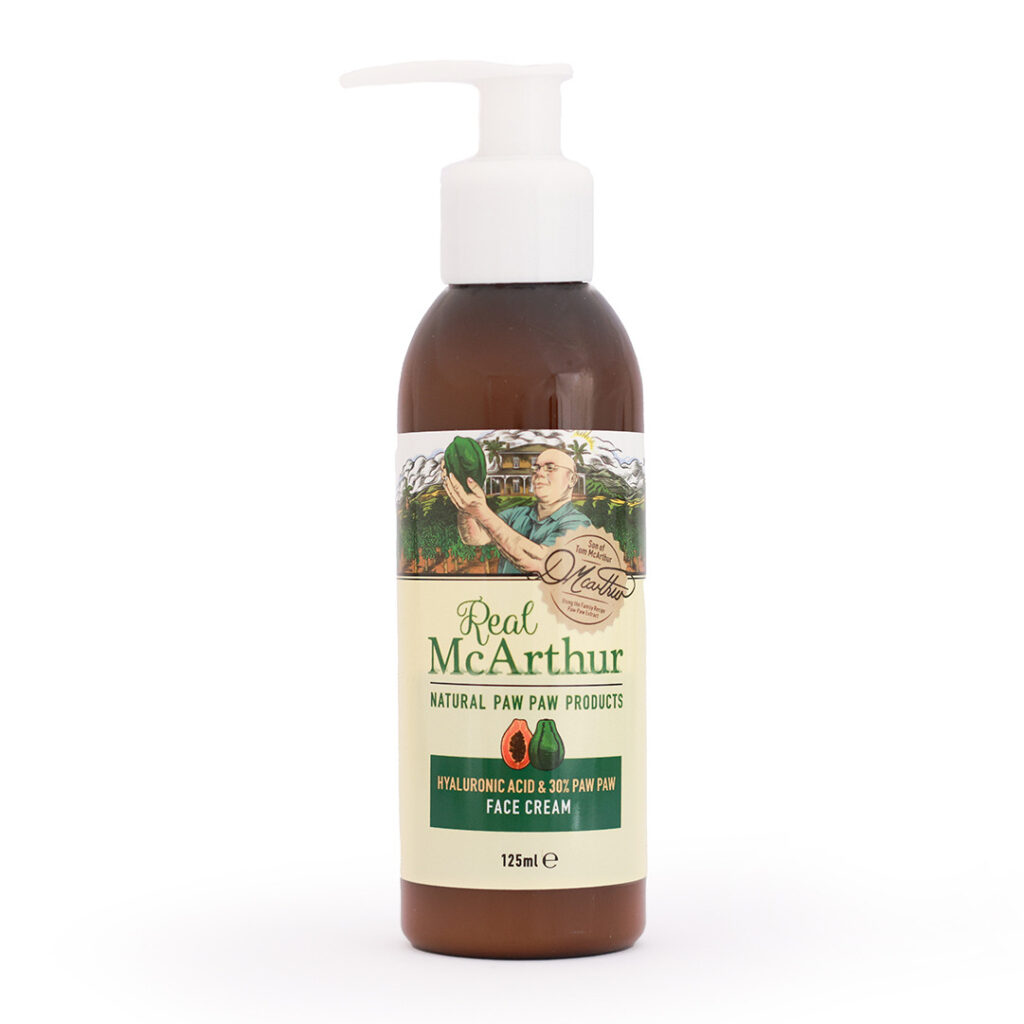
Real McArthur Paw Paw Face Cream with hyaluronic acid — natural face cream, Australian made

Paw Paw vs Papaya: What’s the Difference? Is paw paw the same as papaya? It’s the question I get asked more than any other — at markets, in emails, on the phone. And I understand why. You walk into one shop and the sign says papaya. The shop next door calls the same-looking fruit a paw paw. Then you read an American gardening article about “pawpaw” and it describes something completely different again. No wonder people are confused. I’m Darren McArthur. My father Tom was known to many Australians as the Paw Paw Man, and I carry on the family business today with his blessing. So let me give you the honest, plain-English answer — the same one I give across the market table. The Aussie answer: same plant, different names Here in Australia, paw paw and papaya are almost always the same plant: Carica papaya, the big soft tropical fruit that grows on that strange-looking tree with the umbrella of leaves up top. The way Australians traditionally split the names is by colour. The yellow-fleshed variety gets called paw paw. The sweeter red or pink-fleshed variety gets called papaya. Same species — the difference is like Granny Smith and Pink Lady. Both are apples; they just taste and look a bit different. So if you’ve been standing in the fruit aisle wondering whether you’re buying the right one — relax. In Australia, you were never really choosing between two different fruits, just two varieties of the one. The American mix-up Here’s where the confusion really comes from. In North America there is a completely different fruit called the pawpaw — Asimina triloba. It’s not tropical at all. It grows wild in cool forests through the eastern United States, and the fruit looks like a small green mango with custardy flesh. It is no relation whatsoever to our paw paw. So when you read an overseas article about “pawpaw”, check which plant they mean. If it’s American, it’s probably the forest fruit. When you see paw paw on an Australian product — including every one of ours — it means the tropical papaya, Carica papaya. That’s the fruit with the long history in Australian skincare. Why this fruit ended up in skincare at all Paw paw contains papain, a natural enzyme, along with vitamin C and antioxidants. Papain is the reason paw paw earned its place in Australian bathroom cabinets more than a century ago — it helps gently soften and condition the surface of the skin. Generations of Australian families have kept a tin of paw paw ointment (also spelled pawpaw or papaw, and known as papaya, popo, or botanically Carica papaya) in the drawer for dry lips, rough elbows and cracked heels. Paw paw as a food Don’t forget the eating side of it, either. Ripe paw paw is a genuinely good food — low in calories, high in vitamin C, and lovely with a squeeze of lime for breakfast. Green (unripe) paw paw is a staple of Asian cooking — think of a Thai green papaya salad — and that’s when the papain content is at its highest. If you want the full rundown, I’ve written about the benefits of papaya for your skin separately. Paw paw on your skin — and what we do differently Most of the big-name paw paw ointments at the chemist have one thing in common: the tube is mostly petroleum jelly, with a small amount of paw paw in it. That never sat right with us. If the fruit is the hero, the fruit should be doing the work. So our paw paw cream is made with no petroleum at all — fresh Australian paw paw in a plant-based, vegan and cruelty-free formula. We even combine it with magnesium in our Paw Paw Magnesium Cream, which as far as I know no other paw paw maker in Australia offers. Quick answers Family made. Petroleum-free, always.Shop our paw paw range → Keep reading: what is Kakadu plum · what belongs in a good paw paw cream