
THE FACTS, LAB-TESTED:
Independently lab tested at 12.1% natural vitamin C — 121mg in every gram of Kakadu plum powder.
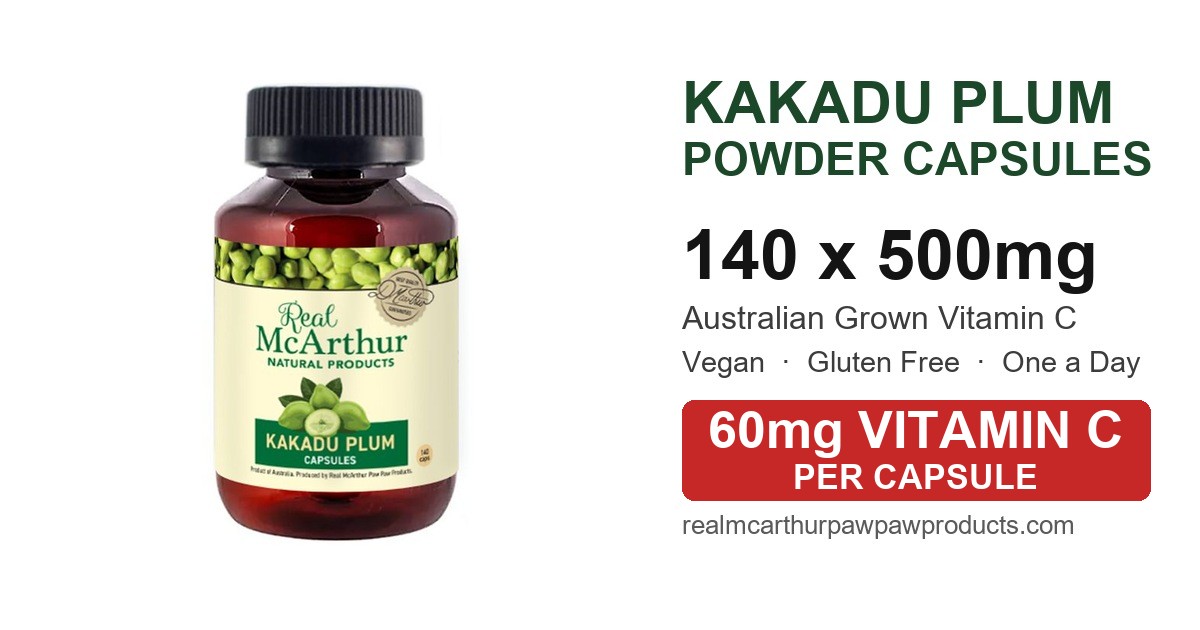
60mg of natural vitamin C in every 500mg capsule.
140 capsules · 70 grams of pure freeze-dried Kakadu plum · 93c a gram.
Australian grown. Whole fruit, no synthetic ascorbic acid. Vegan & gluten free.
Before it was a superfood, it was simply food. Gubinge is one of the oldest names for the fruit Australia now calls the Kakadu plum — a small green fruit that people in this country’s north have been gathering for tens of thousands of years.
One fruit, many names
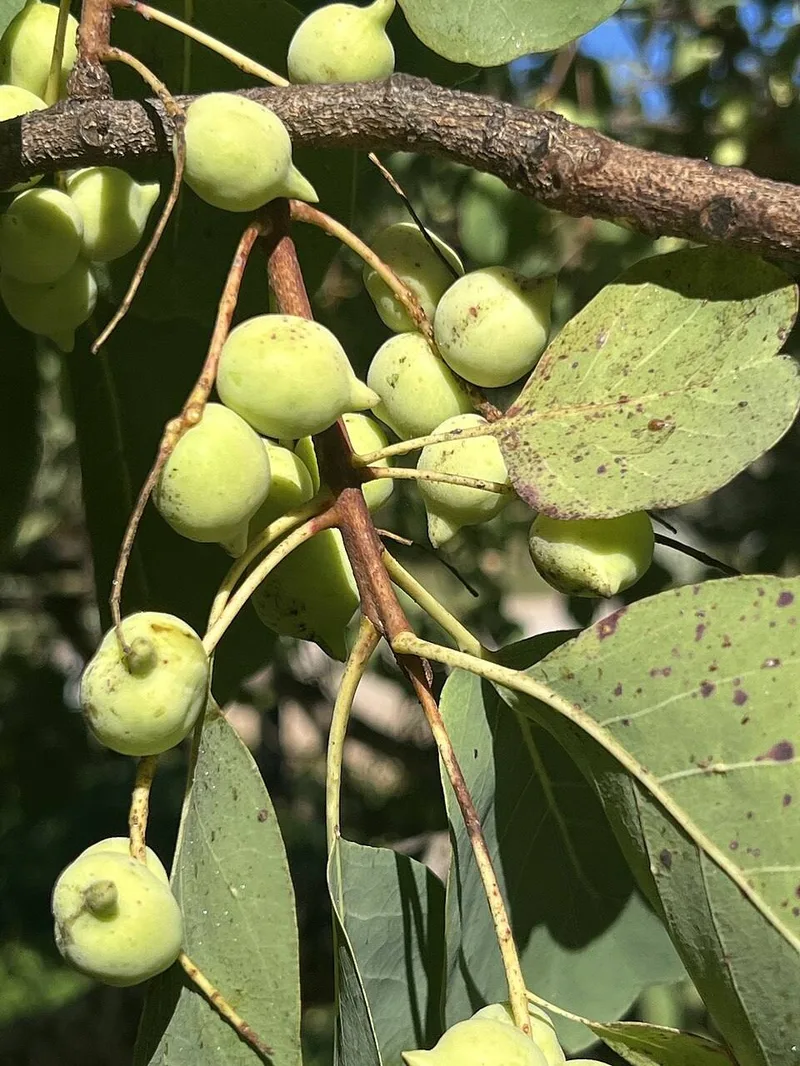
Depending on where you are in northern Australia, the same fruit answers to different names: gubinge (from the Kimberley), murunga, billygoat plum, green plum, and the name most Australians know today — Kakadu plum. Botanists call it Terminalia ferdinandiana. Whatever the name, it’s the same pale, olive-sized fruit with a single stone, growing on trees across the tropical woodlands of the Kimberley, the Top End and Arnhem Land.
The oldest superfood story in the world
Aboriginal people have gathered this fruit as a food for tens of thousands of years — making it, by any measure, one of the oldest continuously eaten fruits on earth. Harvest follows the wet season: in the Kimberley it runs from January to February, and in the Northern Territory from March to late May. Traditional gathering commonly took the fallen fruit — a naturally sustainable practice that leaves the trees to keep producing, and one that still guides ethical harvesting today.
We tell that story with respect: it’s not our story — it belongs to the Traditional Owners of northern Australia. What we can do is honour it by being honest about our own fruit (more on that below).
Why the world suddenly noticed
When food scientists measured the vitamin C in Kakadu plum, the numbers looked like typing errors: the highest recorded natural vitamin C content of any fruit on earth — 240 times more vitamin C per gram than an orange, based on independent laboratory testing. The fruit also carries other natural plant compounds like ellagic and gallic acid. Almost overnight, a quiet bush food became an international superfood — turning up in powders, capsules and skincare across the world.
Scientists have now named more than 30 compounds in this little fruit, and a brand-new one, terminalagin, turned up recently. What’s really inside: Kakadu plum benefits
Why our lab-tested powder is over 240 times more vitamin C than an orange — the full science →
From bush food to your kitchen
Today most Australians meet gubinge as a freeze-dried powder — the fresh fruit rarely leaves the north. Ours is 100% pure, farm-grown Australian Kakadu plum — laboratory-tested at 12.1% natural vitamin C and clean for heavy metals — grown on Australian farms, and we say so plainly because buyers deserve to know exactly where their fruit comes from. You’ll find it in our Kakadu Plum Capsules (140 × 500mg). Each capsule holds 500mg of whole-fruit, freeze-dried Kakadu plum powder, so you can twist one open and stir it into a smoothie, yoghurt or juice. Our Kakadu plum powder guide shows more ways to use it.
Keep exploring: What Is Kakadu Plum? · the benefits of the powder · 8 ways to use it · the 2026 buying guide.
Gubinge FAQ
What is gubinge?
Gubinge is a Kimberley name for the Kakadu plum (Terminalia ferdinandiana) — the same native Australian fruit.
Is gubinge the same as Kakadu plum?
Yes — one fruit, many names: gubinge, murunga, billygoat plum, green plum, Kakadu plum.
What does gubinge taste like?
Tart, fresh and citrusy — sharp on its own, beautiful blended into food.
Where does gubinge grow?
Across tropical northern Australia — the Kimberley, the Top End and Arnhem Land — fruiting in the wet season, harvested January to February in the Kimberley and March to late May in the Territory.
Kakadu plum powder is a food, not a medicine. If you’re pregnant, breastfeeding or managing a health condition, check with your health professional before adding new foods to your routine.
What is gubinge powder?
It’s Kakadu plum powder. Gubinge is the Kimberley name for Kakadu plum, and our freeze-dried powder is lab tested at 12.1% natural vitamin C, which is 121mg in every gram.
What does a gubinge tree look like?
It’s a small to medium semi-deciduous tree, usually 6 to 10 metres tall, growing wild in open woodland across the Kimberley, the Top End and Cape York.
What is gubinge good for?
It’s one of the richest natural food sources of vitamin C, and vitamin C contributes to normal immune system function, contributes to iron absorption from food, and is necessary for normal blood vessel structure and function.
Does gubinge help with collagen?
Gubinge is rich in natural vitamin C, and vitamin C contributes to normal collagen formation for the normal function of skin.
Read more: Kakadu plum skin care.