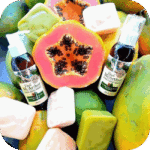
Magnesium cream has become one of the most searched-for skincare products in Australia — a body cream with magnesium blended into it. If you’ve seen tubs of “magnesium sleep lotion” and “magnesium body butter” appearing everywhere from pharmacies to gift shops, you’ve watched the trend grow. Here’s the full, honest story of the mineral behind it — and why we blend it with paw paw.
A quick history of magnesium
Magnesium has been part of daily life for over 400 years. The story goes that in 1618, a farmer at Epsom in England noticed his cattle refused to drink from a certain spring — the water was bitter with what we now call Epsom salts (magnesium sulfate). Those salts made Epsom famous, and people have been soaking in magnesium baths ever since. The mineral itself was first isolated in 1808 by the chemist Sir Humphry Davy, and it takes its name from Magnesia, an ancient region of Greece. Not bad for something most people first meet in a foot soak.
What magnesium actually is
Magnesium is one of the most common elements on Earth — it’s in the ground beneath us, dissolved through every drop of seawater, and it even sits at the very centre of chlorophyll, the green in every plant leaf. In people, it’s an essential dietary mineral: your body uses it constantly, and you get it from foods like leafy greens, nuts, seeds and whole grains.
Where the magnesium in creams comes from
The form used in skincare is almost always magnesium chloride, and most of the world’s supply comes from natural brines — mineral-rich waters from ancient underground seabeds and salt lakes, the most famous being deep European deposits laid down millions of years ago. The brine is purified and concentrated into magnesium chloride flakes or liquid.
The forms magnesium comes in
- Magnesium chloride — the skincare one: creams, “magnesium oil” sprays (not really an oil — just concentrated brine) and bath flakes
- Magnesium sulfate — Epsom salts, the classic bath soak
- Dietary forms (citrate, glycinate, oxide and others) — the tablet and powder forms sold as supplements; talk to your pharmacist about those, that’s their department, not ours
How a magnesium cream is made
The magnesium chloride is dissolved and blended through the cream’s water phase — and in our case, that phase isn’t plain water at all: we use certified organic aloe vera juice instead. Then it’s emulsified with natural oils and butters, together with our real Australian paw paw extract (also spelled pawpaw or papaw, and known as papaya, popo, or botanically Carica papaya) — sourced from Australian organic growers, never an imported powder — and finished with less than 1% preservative, which is rare on today’s market. The full list is open for anyone to read on our ingredients page.
Why we put it in a paw paw cream
When we created our Paw Paw Magnesium Body Cream, we wanted to bring together two things Australians already love: the traditional skin-softening paw paw, and the modern magnesium cream ritual. As far as we know, nobody else in Australia makes a paw paw and magnesium cream — it’s genuinely our own.
Many of our customers make it part of a wind-down routine — after the evening shower, before bed — a few minutes of looking after your skin at the end of the day.
Let’s be straight about what it is (and isn’t)
Our cream is a cosmetic. It moisturises, softens and conditions the skin — and it does those things well. It is not a medicine, and it isn’t intended to treat any condition. We’d rather tell you that plainly than dress it up — you’ll always get the honest version from us.
Quick answers
Ours is lightweight and fast-absorbing — no greasy film, no strong scent, comfortable under clothes.
No. Creams like ours are cosmetics — they care for your skin. If you have questions about magnesium and your health, that’s a conversation for your GP or pharmacist.
Magnesium chloride, blended through the cream.
It’s a gentle, everyday body moisturiser — made for exactly that.
One cream, two Australian favourites — paw paw and magnesium, together.
Shop the Paw Paw Magnesium Cream →
Keep reading: what belongs in a good paw paw cream · natural paw paw cream vs petroleum ointments